

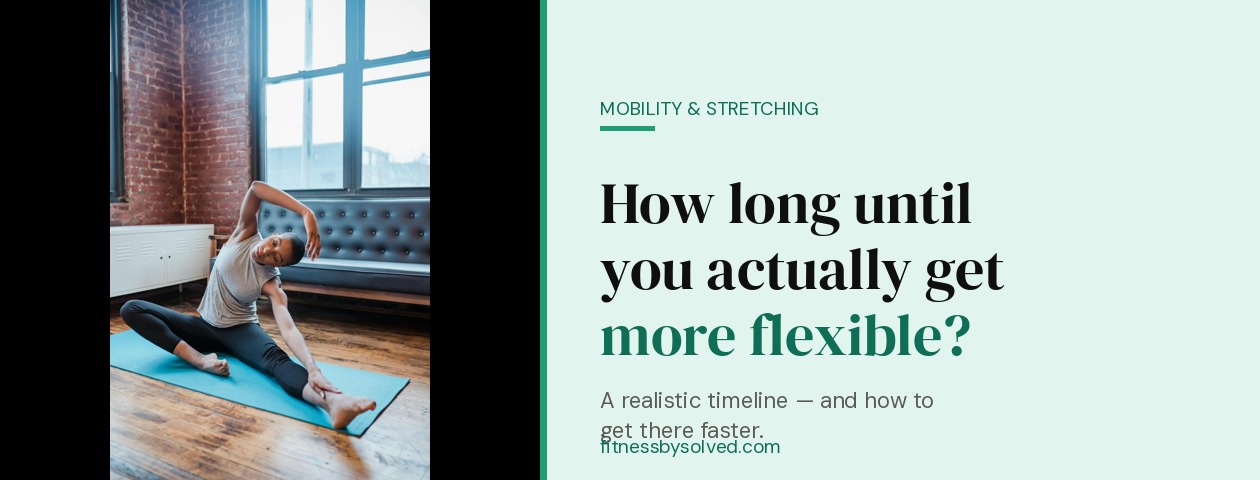
It's one of the most common questions people ask when they start stretching: how long until I actually notice a difference? The honest answer is that it happens faster than most people expect in the short term — and takes longer than they'd like for...
Read More
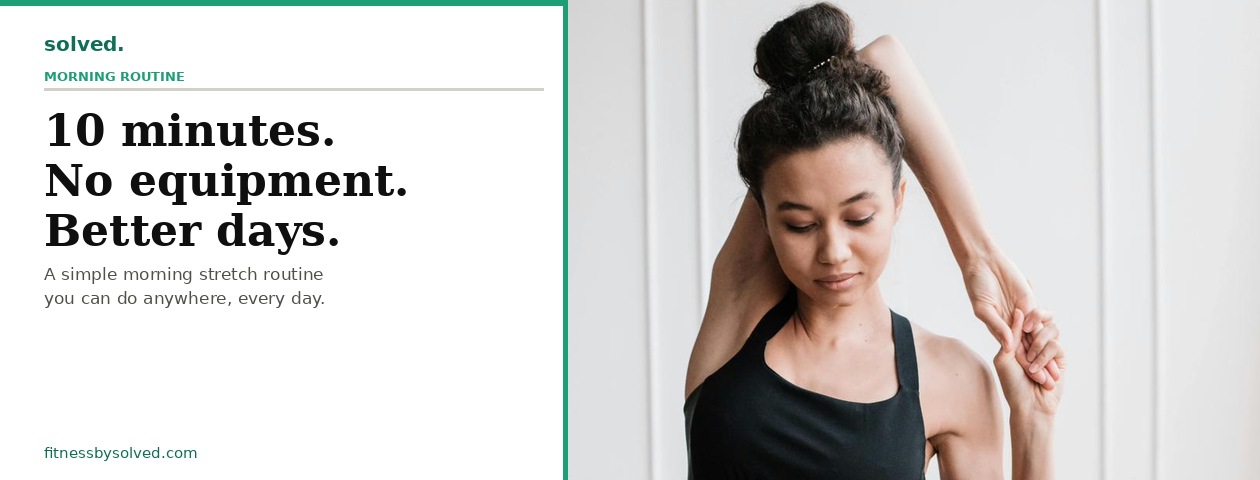
Most people roll out of bed and go straight to a screen. Within an hour, the shoulders are up around the ears, the hips have already locked in, and the body is ten steps behind the day before it’s even started. A ten minute morning stretch routine c...
Read More
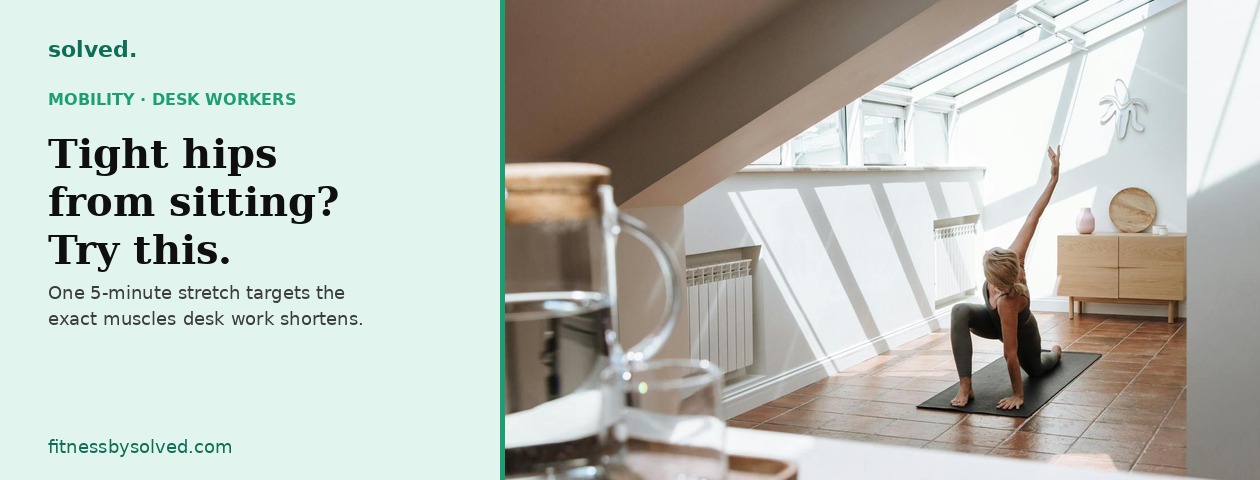
If you sit for most of the day — at a desk, in a car, on calls — your hip flexors are shortening right now, whether you notice it or not. These are the muscles at the front of your hip that connect your thigh to your spine, and they’re built to leng...
Read More
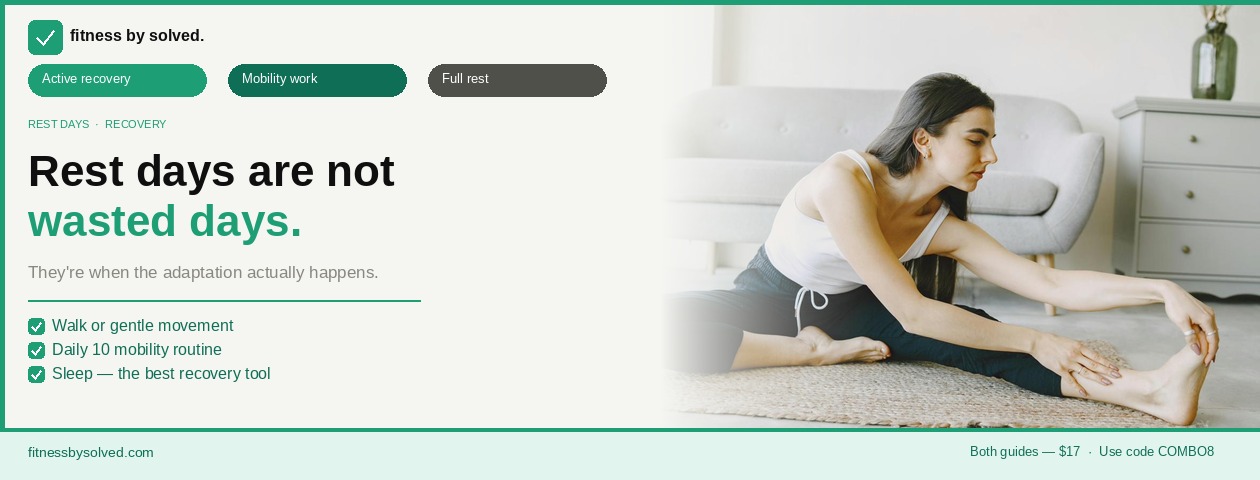
Most people think of rest days as gaps in the programme — days when nothing useful is happening. The opposite is true. Rest days are when the adaptation actually occurs. Training creates the stimulus. Rest is when the body responds to it. Muscles re...
Read More
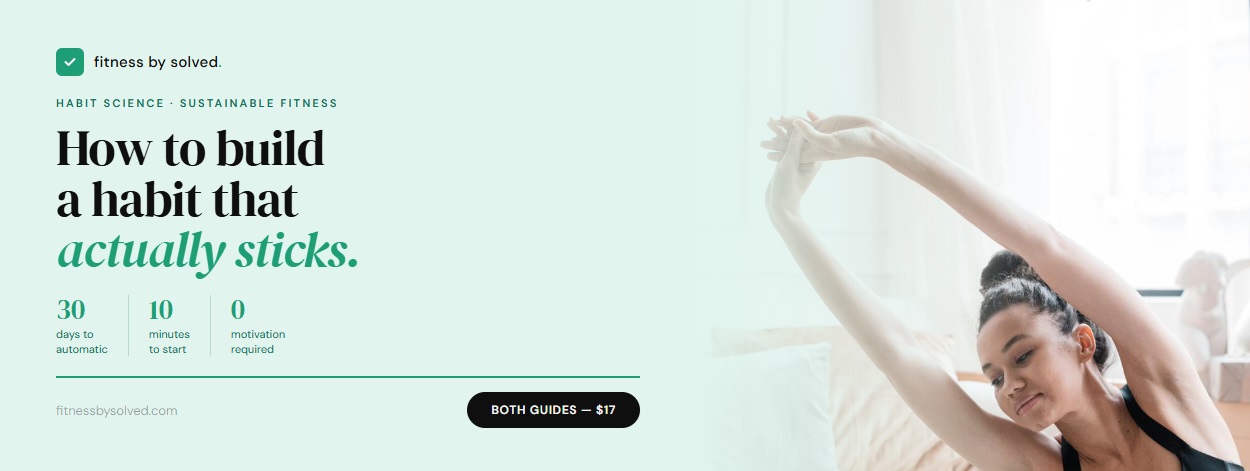
Most fitness habits fail within the first two weeks. Not because people lack willpower. Not because the programme is wrong. Because the habit was built on motivation — and motivation is the least reliable building material available. Motivation is a...
Read More
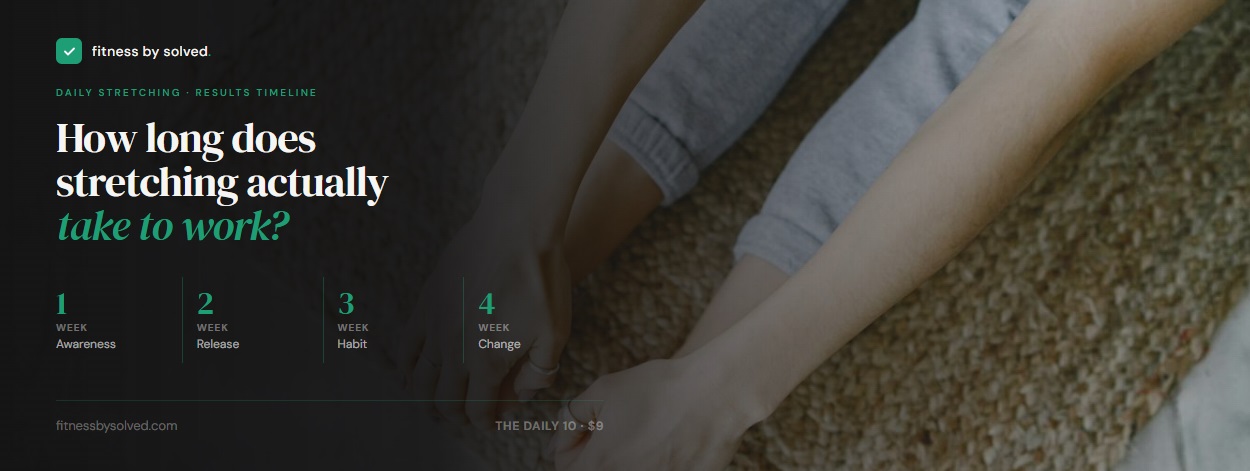
This is the question that stops most people before they even start. The honest answer is: sooner than you think if you are consistent, and never if you are not. Stretching is not like strength training, where you can see and measure the change in th...
Read More
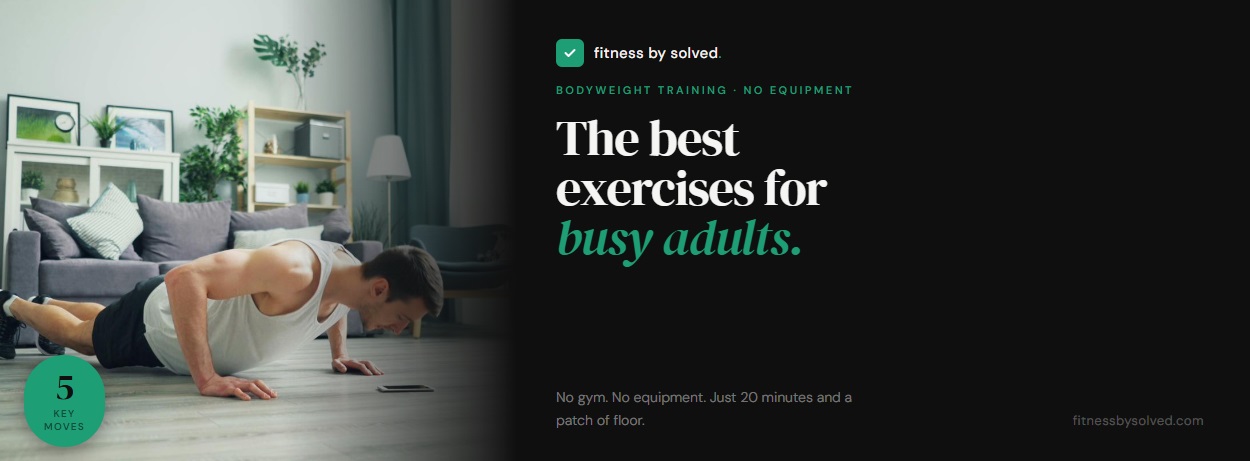
You do not need a gym, a set of dumbbells, or a pull-up bar to build real, functional strength. Bodyweight training — done consistently, with the right exercises in the right order — produces measurable results in four to six weeks. For busy adults ...
Read More
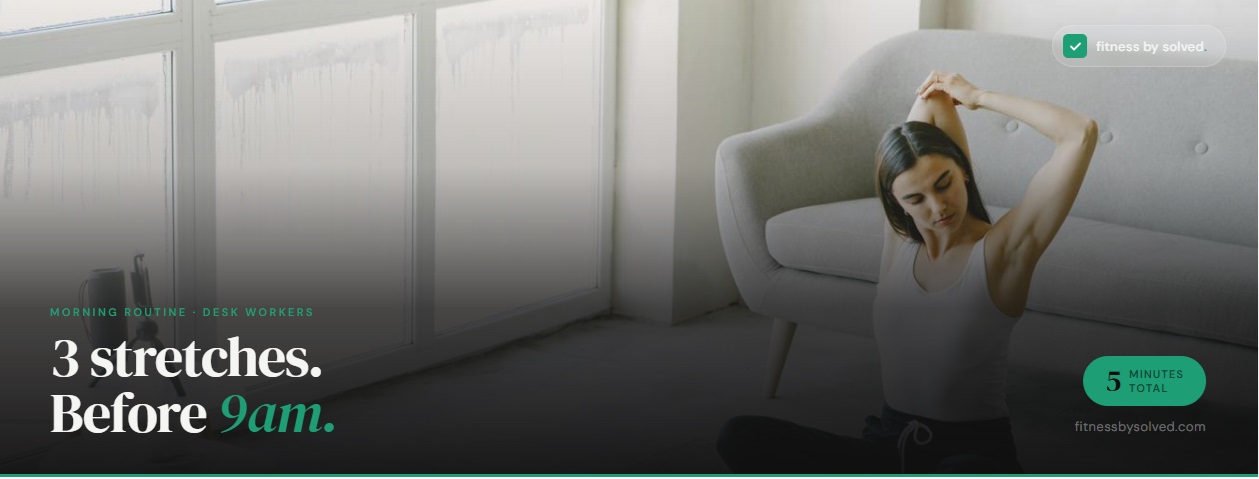
Most desk workers start the day already stiff. You sleep in a position that shortens the hip flexors and rounds the upper back, then move directly to a chair that does exactly the same thing. By 9am, before you have done anything wrong, your body is...
Read More
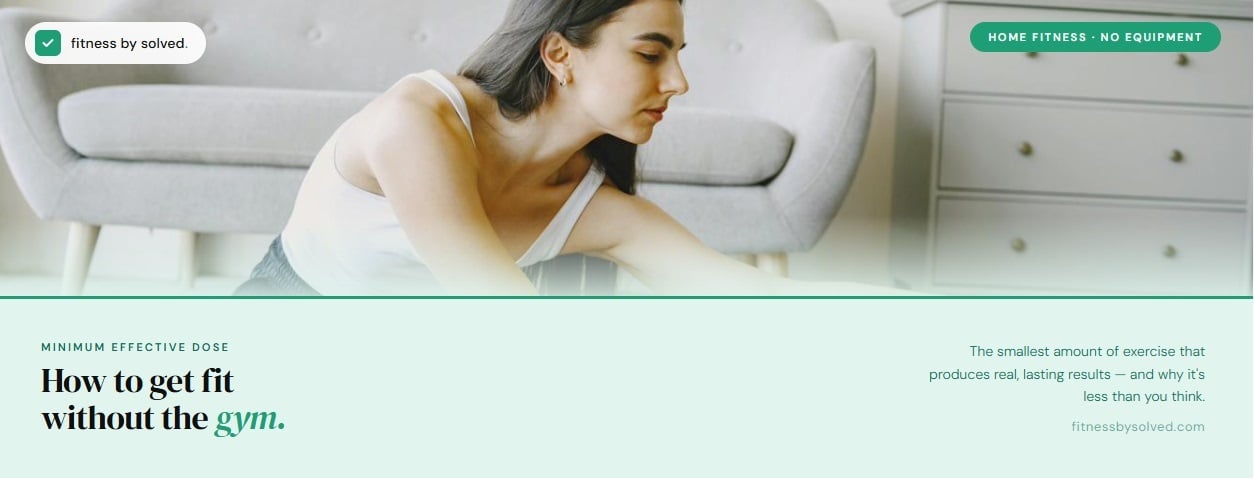
The fitness industry has a vested interest in making exercise feel complicated. The more equipment, the more classes, the more coaching you think you need — the more money changes hands. But the science of how the body actually adapts to exercise te...
Read More
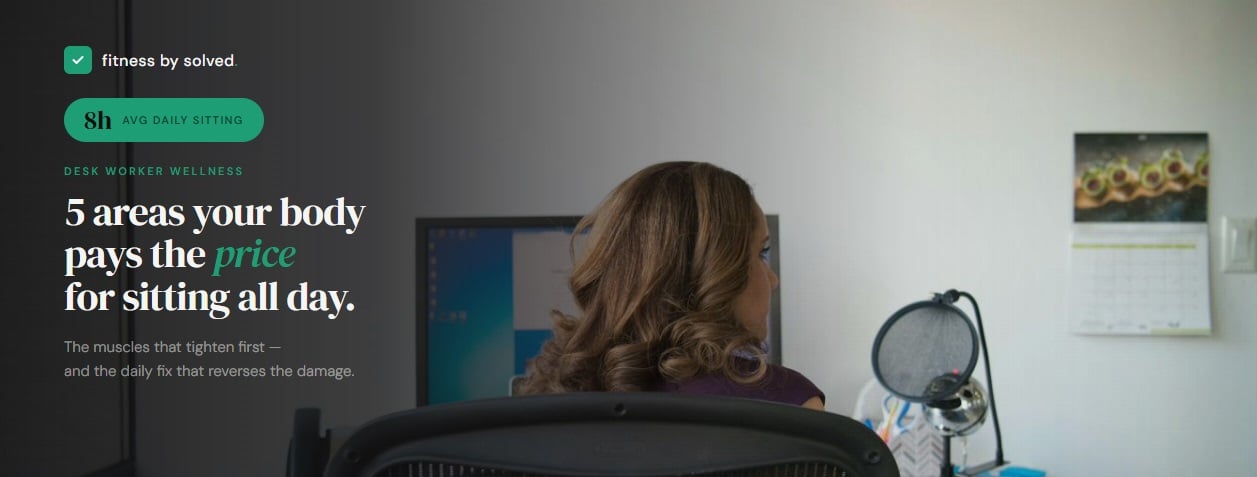
If you sit at a desk for most of the day, your body is slowly adapting to that position. Not in a good way. Over weeks and months, certain muscles shorten and tighten while others weaken and switch off. The result is a body that feels stiff, achy, a...
Read More
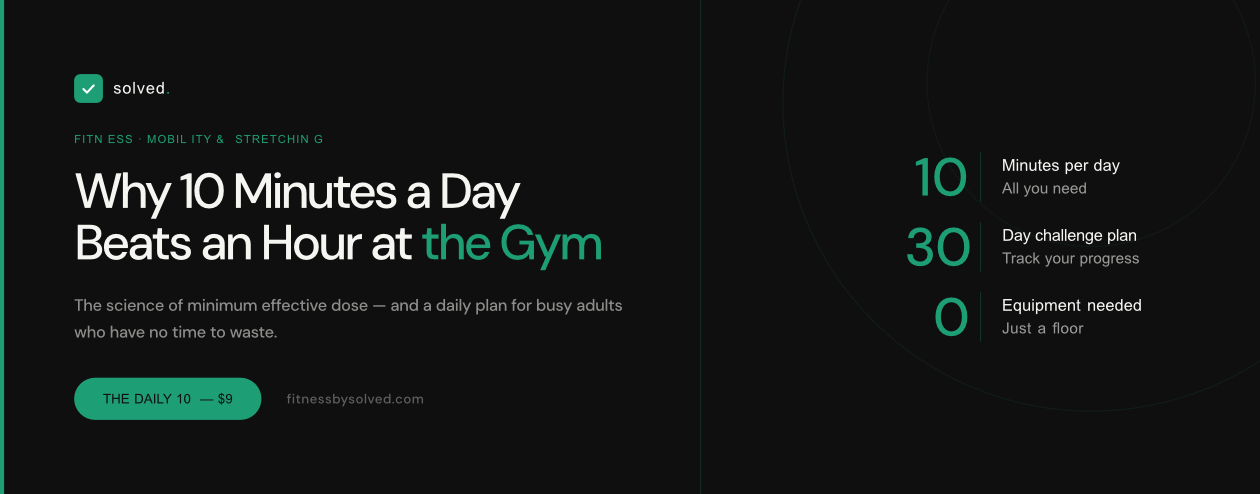
You know you should be moving more. You also know that an hour at the gym five times a week is not going to happen. Not with work, family, commuting, and everything else competing for your time. Here is the thing no one in the fitness industry wants...
Read More
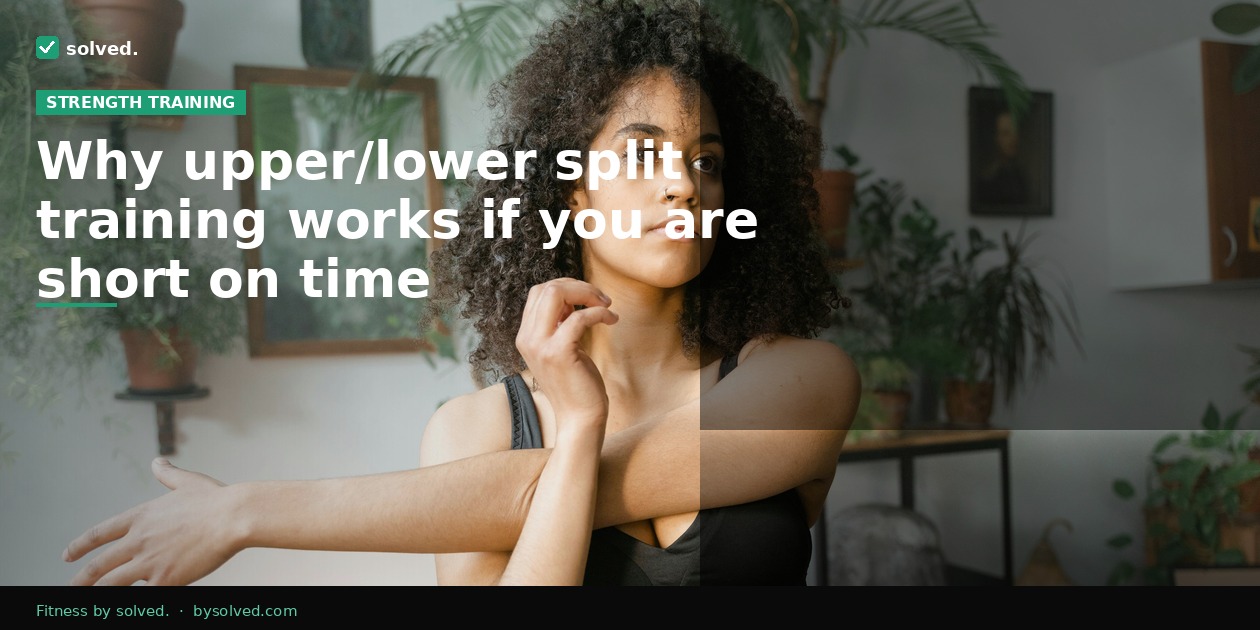
If you can only train four times a week, the upper/lower split is the most effective way to structure those sessions. Here is why. You train every muscle group twice a week Research consistently shows that training a muscle group twice per week prod...
Read More
Most people approach flexibility the wrong way. They stretch hard for a week, get busy, stop for two weeks, start again, wonder why they are not making progress. Flexibility does not respond to intensity. It responds to frequency. This is not just a...
Read More
Twenty minutes is enough. Most people do not believe this because the fitness industry has spent decades convincing us that results require hours, memberships and expensive equipment. They do not. What results actually require is progressive overloa...
Read More
If you have ever dismissed bodyweight training as the less serious option — something you do when you cannot get to a gym — it is worth reconsidering. It builds real, functional strength Bodyweight exercises train your body to move and stabilise as ...
Read More